Persistent Pain Is Not “All in Your Head”, But It Does Live in your Nervous System
*
If you are experiencing persistent pain, you may have been told that nothing more can be done. You may have tried medications, physical therapies, scans, diagnoses and protocols, only to be left feeling exhausted, misunderstood or blamed for your symptoms. Perhaps you eventually stopped seeking help… not because the pain was resolved, but because the system failed to meet your needs.
*
As a somatic/yoga psychotherapist specialising in persistent pain, I work with people who are experiencing pain in the body because of changes in their nervous system due to lived experience. Persistent pain is not imaginary; it is not a personal failure. It is often the result of a nervous system that has learned, through injury, illness, stress, or trauma to remain in a state of protection long after the original threat has passed.

*
Persistent Pain is a Whole-System Experience
*
Persistent pain is rarely just a mechanical problem. While tissue damage and medical conditions matter and you should seek advice from a doctor, pain that persists over time often involves:
o Nervous system sensitisation
o Altered interoception (how the body is sensed from within)
o Protective muscular and postural patterns
o Emotional and psychological load
o A history of stress, trauma, or repeated overwhelm
Over time, pain can become intertwined with fear, vigilance, identity, and exhaustion.
This is where somatic/yoga psychotherapy can offer something different.
*
How Somatic/ Yoga Psychotherapy can Help with Persistent Pain
*
My work focuses on helping clients change their relationship to pain, not by pushing through it or ignoring it, but by working directly with the nervous system and the body’s protective responses.
Using a trauma-informed, somatic approach, together we will work to:
o Restore a sense of safety in your body
o Gently regulate your nervous system
o Increase tolerance for sensation without overwhelm
o Differentiate pain from threat
o Rebuild trust in your bodily experience
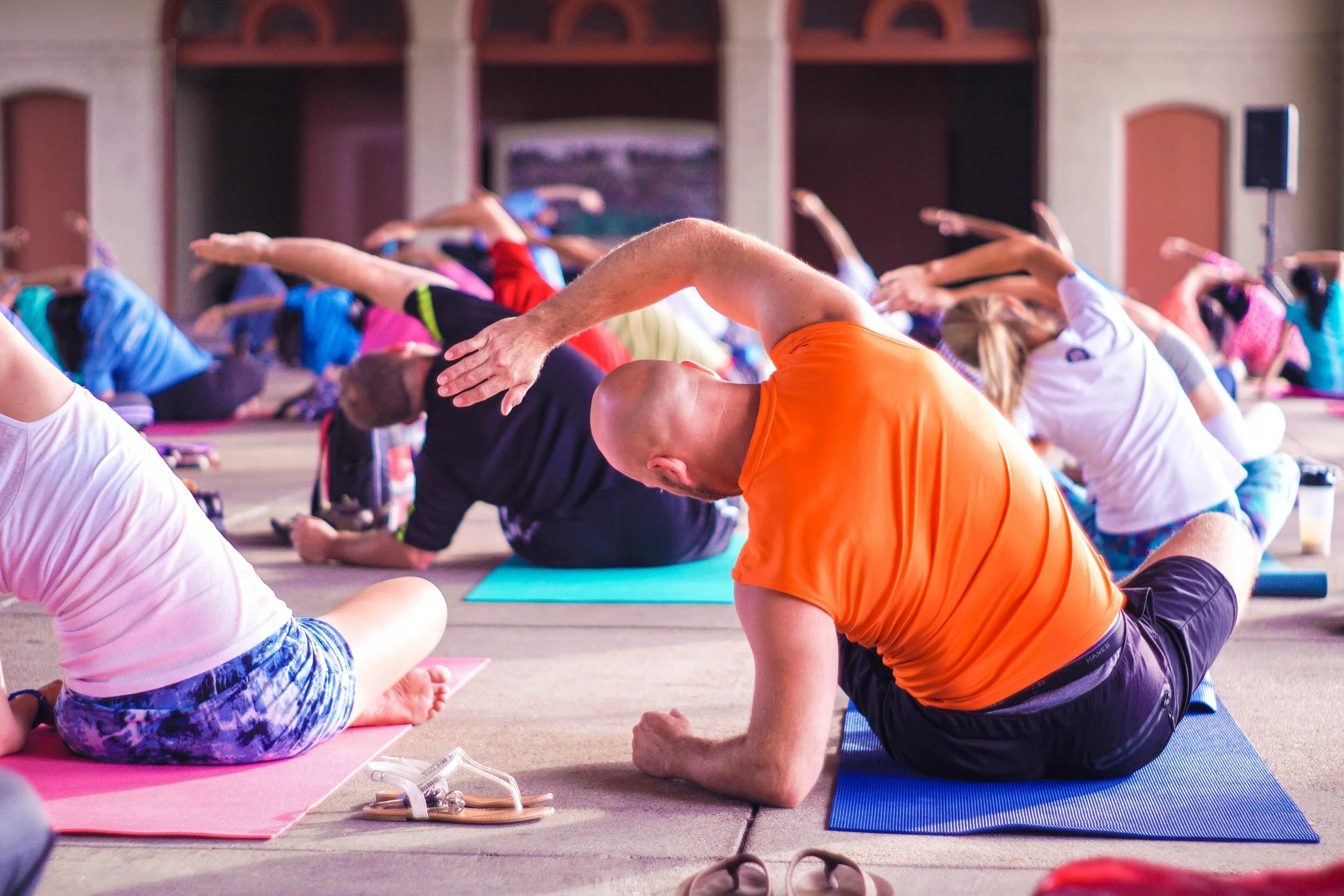
Somatic/Yoga psychotherapy integrates mindful movement, breathwork, and contemplative practices with psychotherapy. This is not fitness-based yoga, and it is not about flexibility or performance. Practices are adapted, subtle, and responsive to your nervous system and pain experience. Some sessions might not involve movement at all, so it is nothing like a yoga class. Rather yoga can be helpful as it offers us many ways to regulate our nervous systems and build a new relationship with ourselves.

*
What Makes My Approach Unique
*
Many people with persistent pain have tried either physical approaches that ignore emotional and psychological factors or talking therapy that don’t address the body at all. My work intentionally sits in the middle.
What I offer is:
o A trauma-informed understanding of pain and the nervous system
o Somatic practices that are slow, titrated, and choice-based
o A psychotherapeutic framework that honours your lived experience integrating ACT, CFT, IFS and other modalities to suit your needs
o A model that does not reduce pain to thoughts or posture alone
o Evidence based mindfulness practices for persistent pain
I do not ask you to override pain signals or “think positively.” Instead, we work collaboratively to understand what your pain may be protecting, communicating, or maintaining and how to create conditions for change at all levels.
*
How Therapy Might Help You
*
Working together, you may begin to:
o Feel more at home in your body
o Experience less fear around sensation and movement
o Reduce pain flare intensity or frequency
o Improve sleep, energy, and emotional resilience
o Develop tools to self-regulate during pain episodes
o Learn to turn towards pain and difficulty with compassion
o Create a safe and compassionate space within for processing life’s experiences
For some people, pain lessens significantly. For others, pain remains but becomes less dominant, less frightening, and less identity-defining. Both are meaningful outcomes.
*

Who This Work Is For
*
This approach may be especially helpful if:
o You’ve been living with pain for months or years e.g. headaches, back pain, fibromyalgia, arthritis, IBS, pelvic pain, endometriosis, nerve injury pain, TMD, neck and shoulder pain, sciatica
o Medical interventions haven’t fully helped
o Stress, trauma, or emotional overwhelm play a role
o You feel disconnected from or at war with your body
o You want an approach that respects both science and lived experience
You do not need prior yoga experience, and you do not need to be “good” at mindfulness. You only need curiosity and a willingness to go slowly.
I offer a different kind of support… Persistent pain changes how you relate to yourself, your body and your future. My role is not to fix you, but to walk alongside you as your nervous system learns new possibilities.